soft person
Automating creativity
Features
Analysis Capabilities
What NStatic can find
Six categories of bugs that escape every other .NET static analyzer — found symbolically, not by pattern matching.
Category 01
Exception Analysis
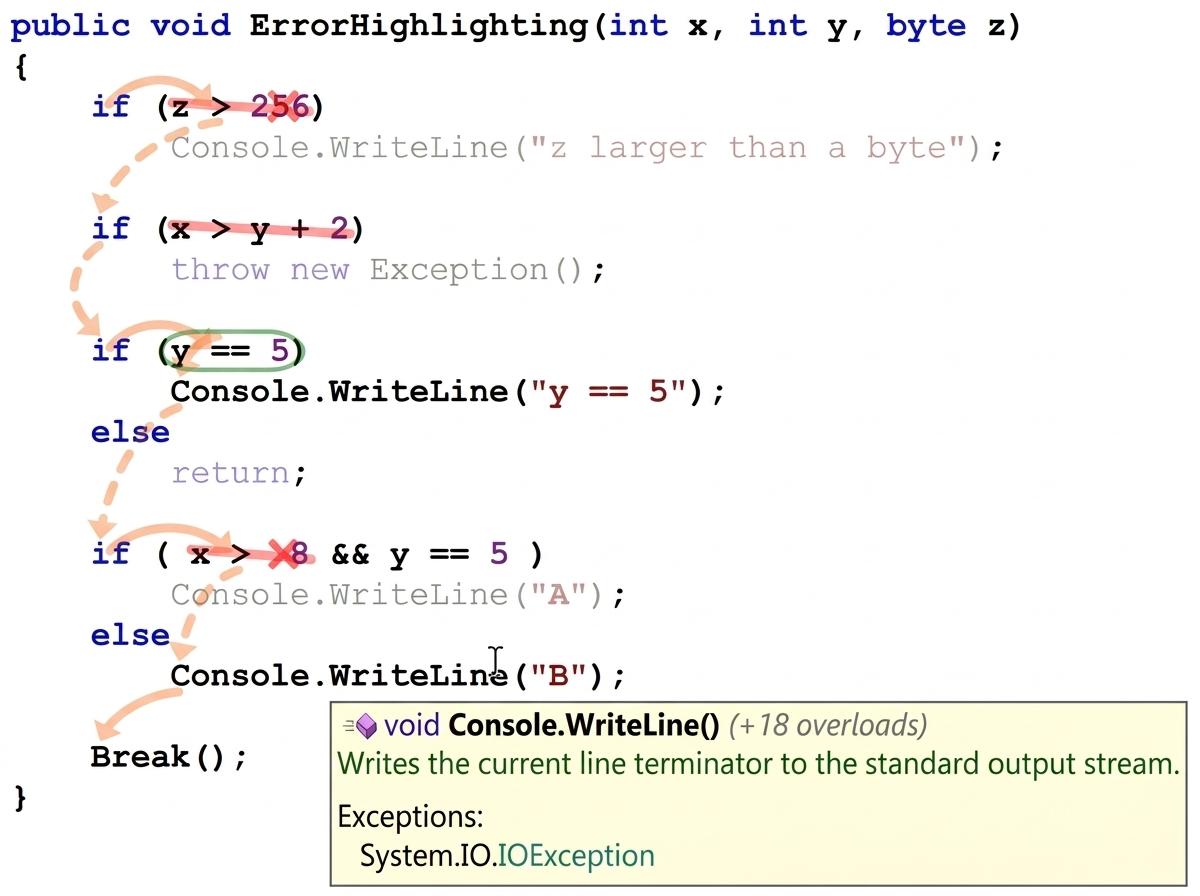
NStatic tracks exceptions as first-class values in its symbolic model. An expression that might throw becomes If(condition, result, Exception(…)) — allowing the analyzer to determine whether any execution path can reach a thrown exception uncaught.
- System exceptions:
NullReferenceException,IndexOutOfRangeException,DivideByZeroException,OverflowException,StackOverflowException - Framework library exceptions — NStatic interprets .NET Framework IL directly to model what
String.ToCharArray,List<T>.Add, and hundreds of other methods can throw - User-defined exceptions — tracked through throw/catch/finally chains symbolically
- Failing assertions —
Debug.Assertconditions verified; failures surfaced as findings
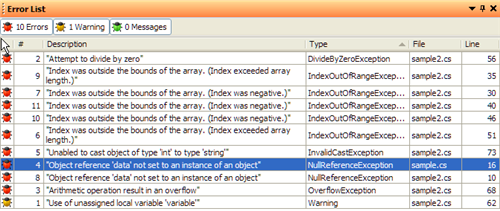
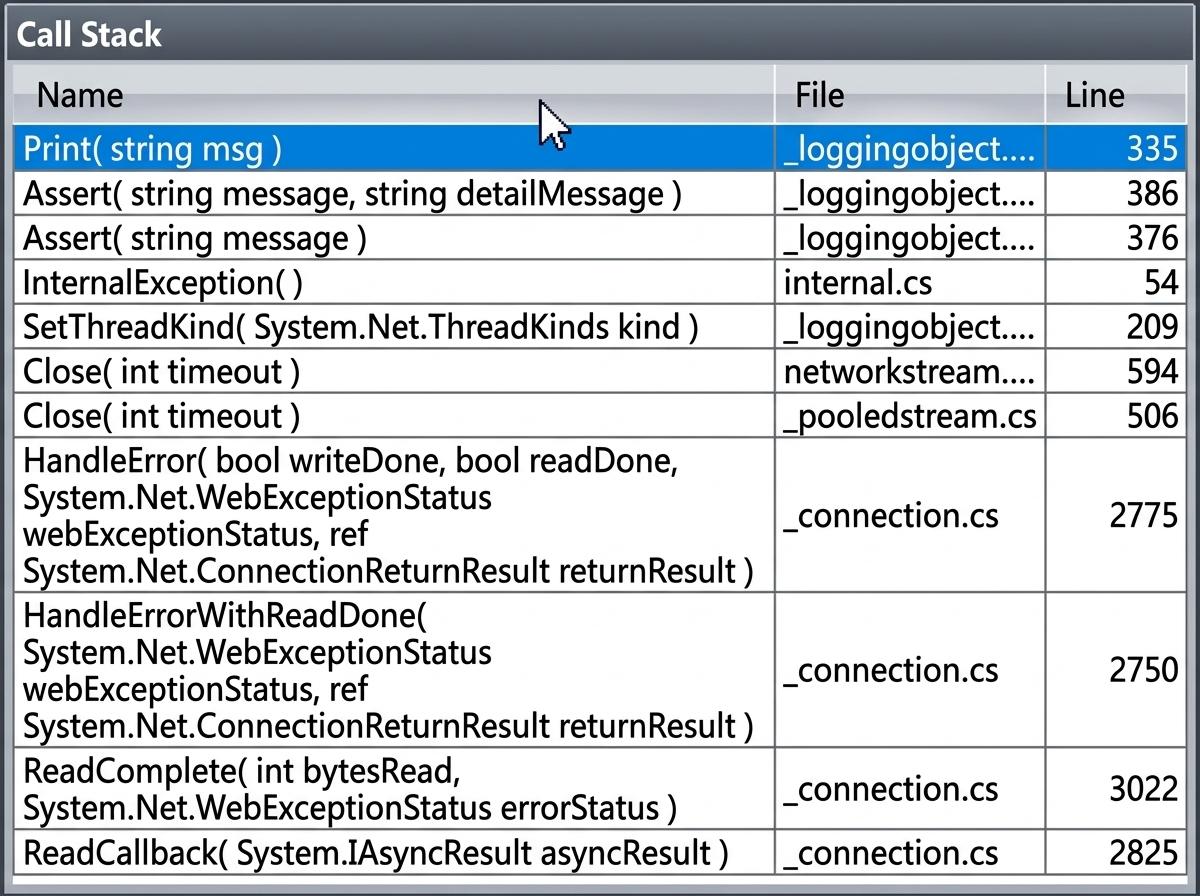
When an uncaught exception is found, NStatic shows the full interprocedural call stack and the symbolic condition under which it occurs.
Category 02
Dead Code Detection
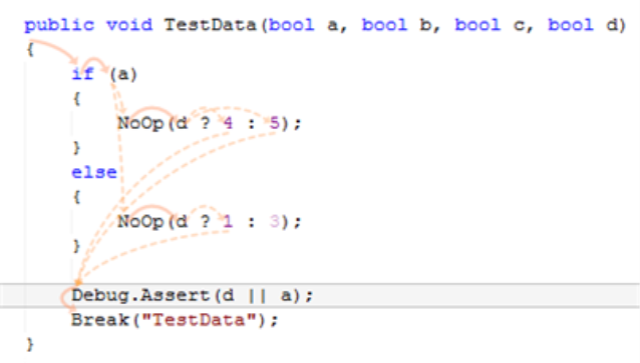
Code that can never execute isn't just untested — it's a maintenance hazard that confuses future readers and bloats the binary. NStatic identifies unreachable code through symbolic path analysis rather than simple control-flow heuristics.
- Statements that follow unconditional throws or returns
- Catch blocks for exceptions that cannot be thrown on any path reaching the try block
- Branches of
iforswitchthat the symbolic model proves unreachable - Methods whose return value is always an exception expression (they never return normally)
Category 03
Redundant Code
Redundant code compiles and runs — it just doesn't do anything useful. These findings point to logic errors, copy-paste mistakes, or stale code that should have been removed.
- Always-true or always-false conditions in
if,while, and ternary expressions - Contradictory conditions that can never be simultaneously true
- Assignments to a variable that is immediately overwritten before being read
- Method parameters that don't affect the return value (useless parameters)
- Calls to methods with constant return values (calls that could be replaced with a literal)
- Infinite loops with no reachable exit condition
Category 04
Null Analysis
Null references are .NET's most common runtime crash. NStatic tracks nullability through the symbolic model — no [NotNull] or [CanBeNull] attributes needed. The analysis infers nullability from code, assignments, conditional branches, and method return types.
- Definite null dereferences: a field access or method call on an expression the model proves is
null - Conditional null dereferences: the model shows null is possible on some paths
- Null propagation through call chains, tracked interprocedurally
- Redundant null checks: conditions like
if (x == null)wherexcannot be null
Category 05
Bounds and Range Violations
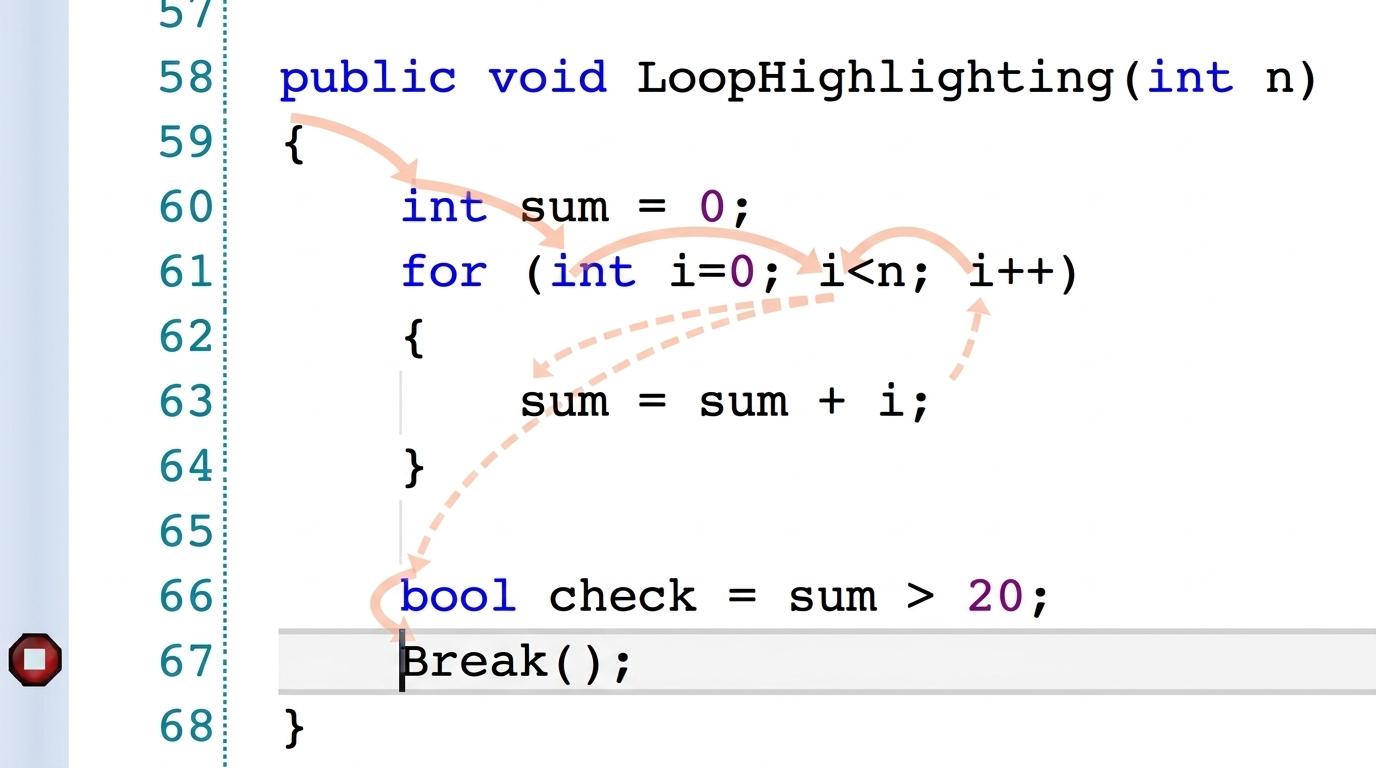
Array index out of bounds is a direct cause of IndexOutOfRangeException. NStatic models array lengths and index values symbolically, including loops that iterate over collections — which it solves to closed form rather than unrolling.
- Array access with an index that the symbolic model shows can exceed the array length
- Off-by-one errors in loop bounds — detected by solving the loop's closed-form expression
- Negative index accesses
- Collection accesses (List, Dictionary) with validated range models
Category 06
Equivalence Detection
When two expressions in your code always produce the same value, NStatic can identify the opportunity for simplification. This category surfaces refactoring hints and occasionally reveals deeper logic errors where two different-looking computations were expected to diverge but don't.
- Two branches of an
ifthat produce identical results (the branch is redundant) - A computed value that always equals a constant or simpler expression
- Duplicate sub-expressions that could be extracted to a shared variable
Feature preview
Diagnostics that explain behavior, not just syntax.
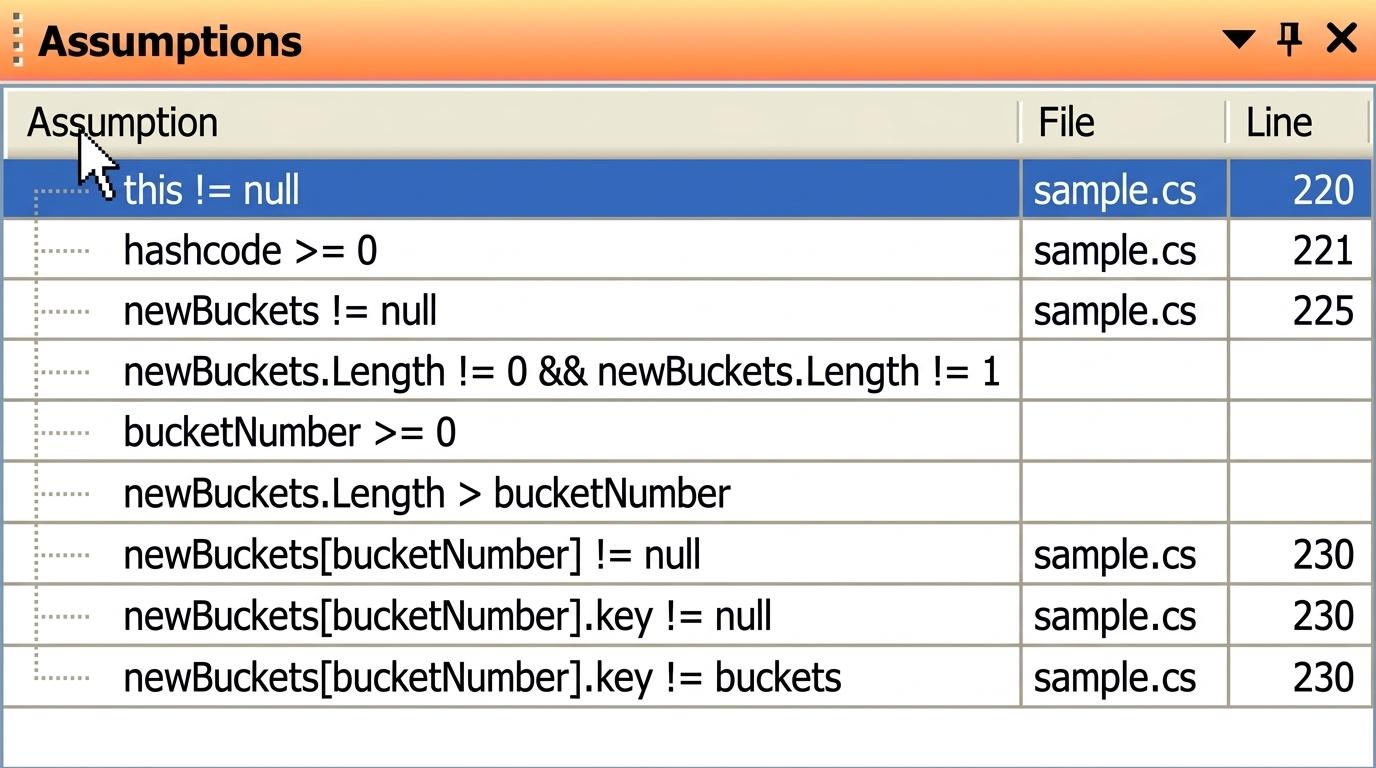
NStatic is designed to surface the symbolic facts behind a warning: which call path reached it, which assumptions mattered, and what values were known at the point of failure.
Infer conditions that guarantee or permit exceptions, including framework parameter validation and custom exception messages when available.
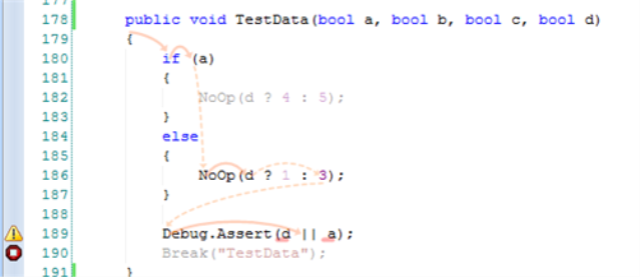
Follow warnings through method calls and present a call stack that makes cross-method reasoning understandable.
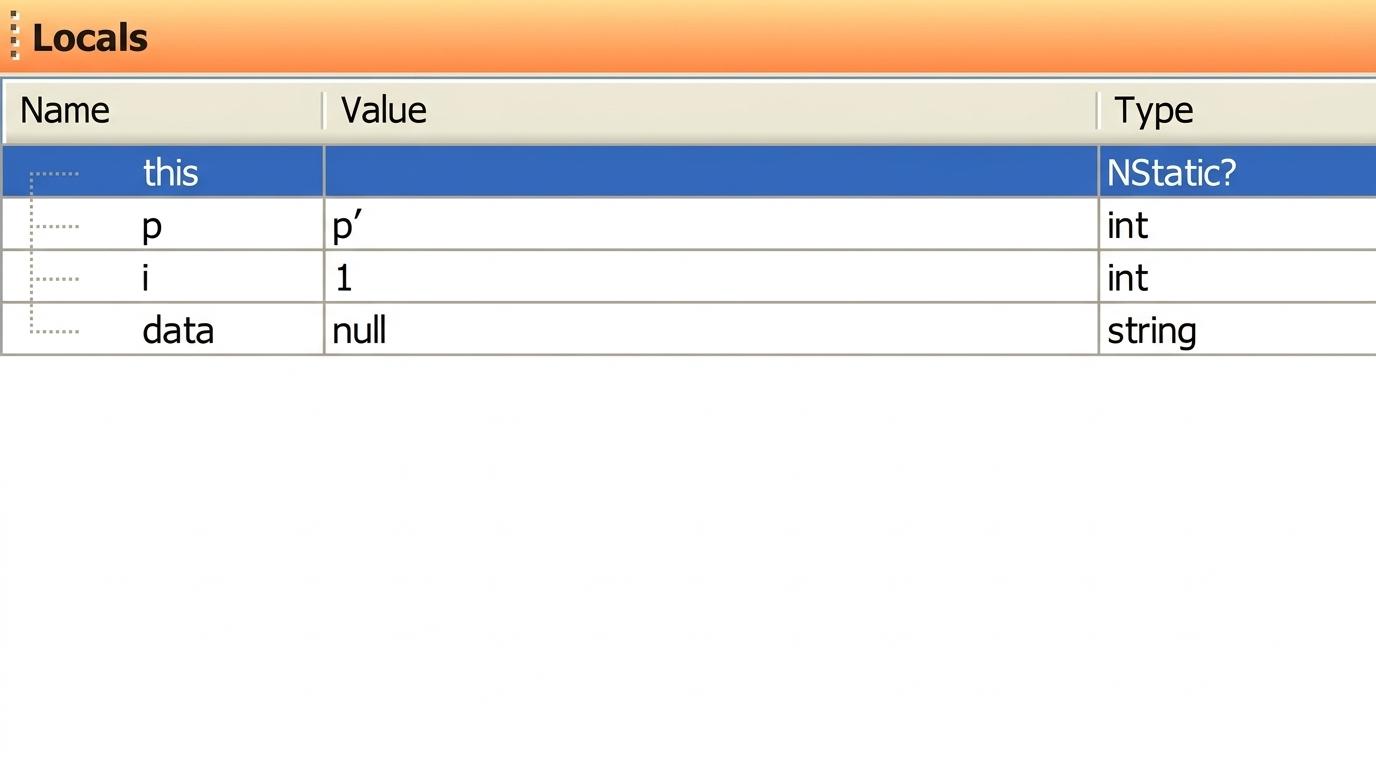
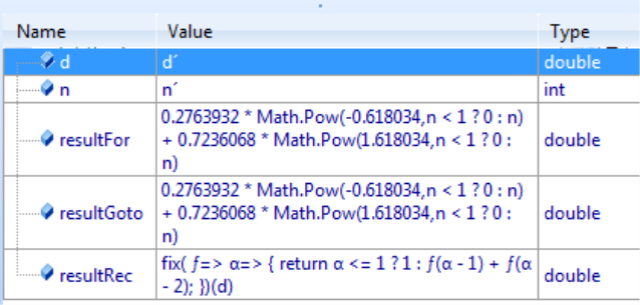
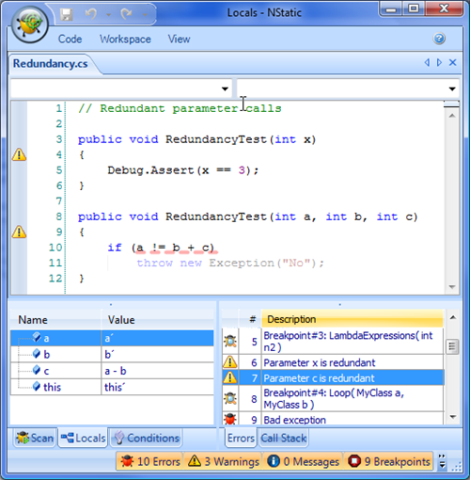
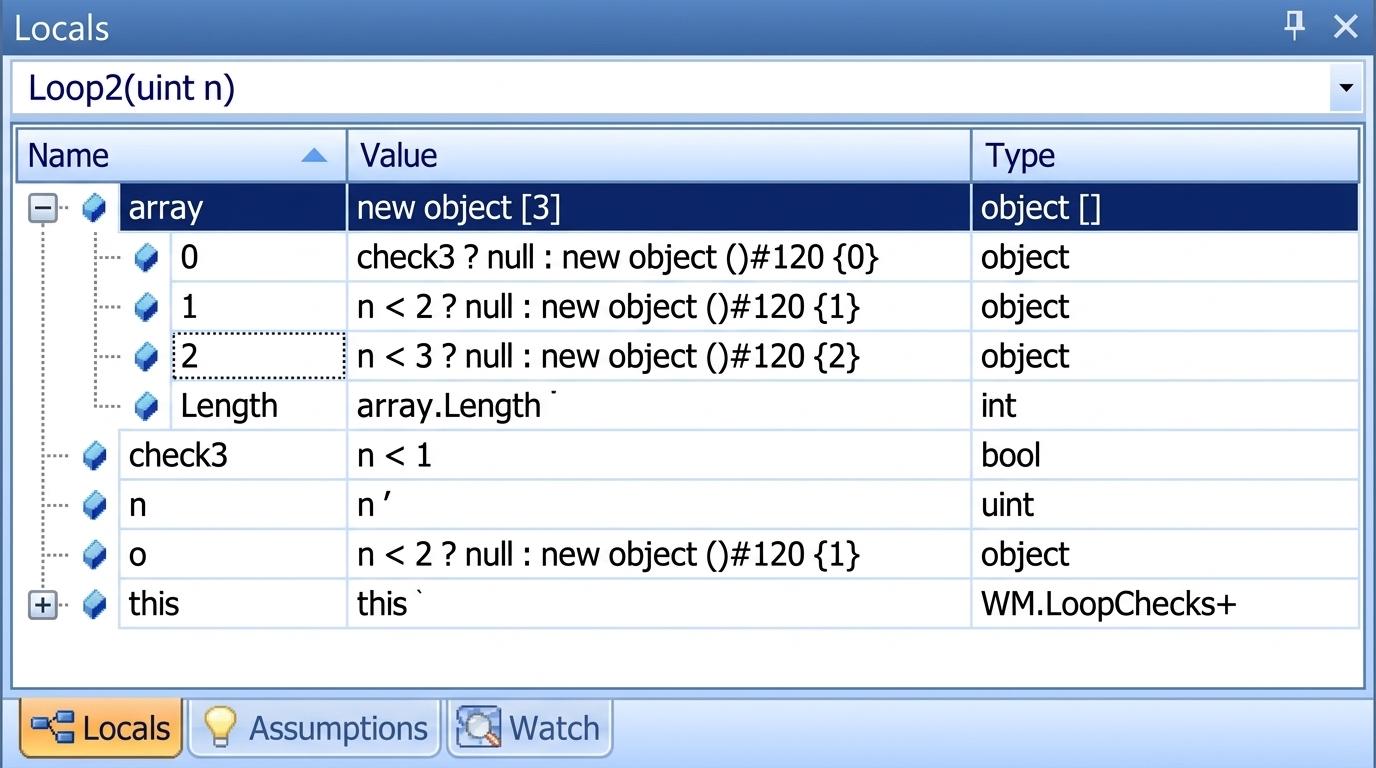
Inspect locals and object state in terms of original inputs, conditionals, method summaries, and simplified expressions.
Represent loop updates as symbolic functions or recurrences where possible, instead of only unrolling a fixed number of times.
Specifications
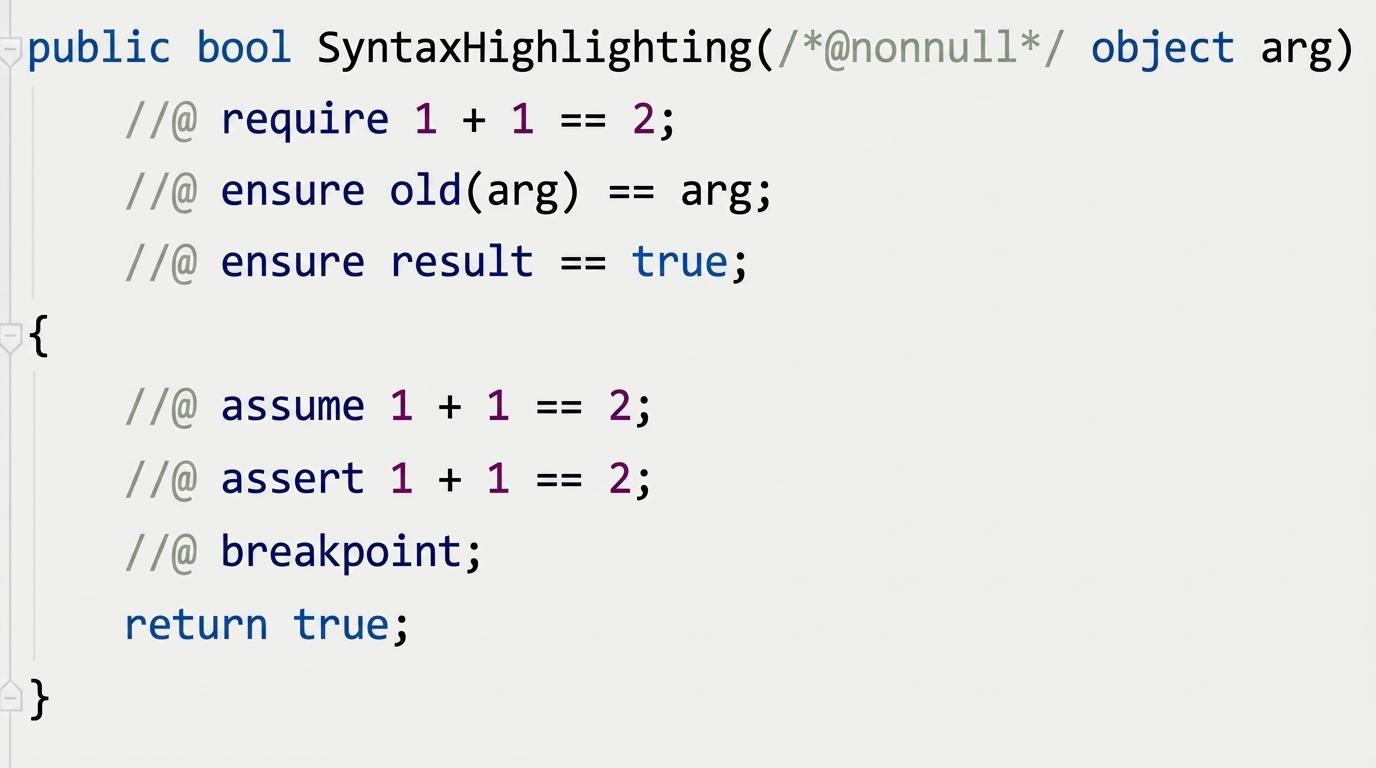
NStatic's planned specification syntax uses analysis comments so teams can add assertions, assumptions, old-value references, and breakpoints while preserving normal C# source compatibility.
Intrigued?
Join the waitlist and be first to try NStatic when it ships for Visual Studio.
Join the Waitlist